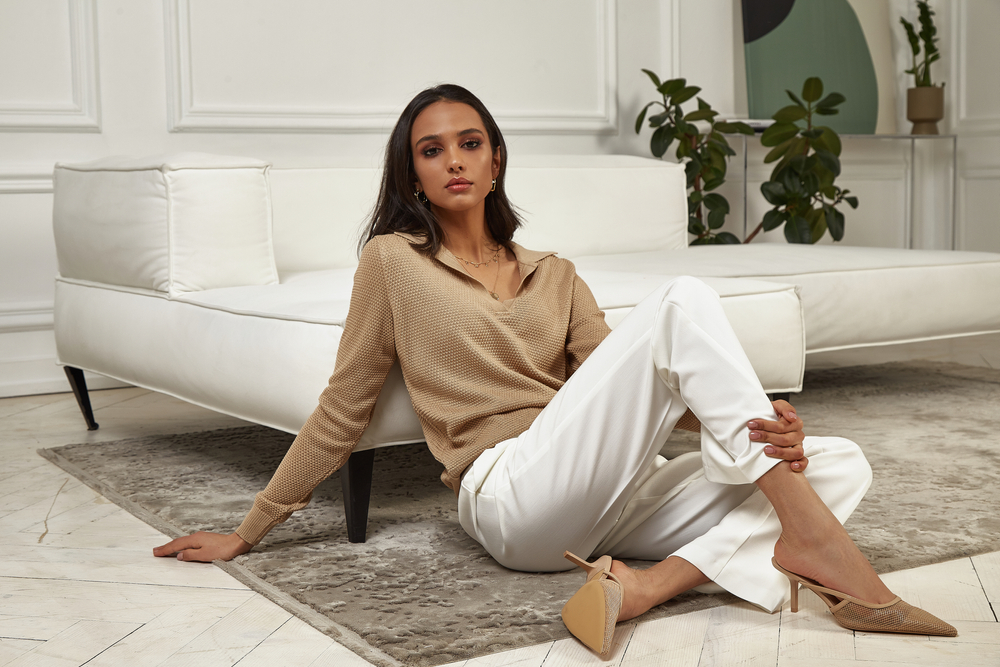
Photography is an art, and models play a crucial role in bringing that art to life. A skilled model knows how to strike poses that capture the essence of the concept and elevate the visual appeal of the photograph. Whether you're an aspiring model or a photographer looking to collaborate with models, this article will provide you with valuable tips and tricks to achieve flawless poses in photoshoots.
1. Mastering Body AwarenessOne of the most fundamental aspects of modeling (or modelling) is body awareness. Understanding how your body moves, the angles it can create, and the emotions it can convey allows you to create impactful poses. Practice in front of a mirror and experiment with different movements to develop a sense of body awareness. This will also help you understand which angles are most flattering for yourself and the concept you're working on.
2. Posing with Purpose
Every pose should have a purpose behind it. Whether it's conveying a specific emotion, emphasizing a certain feature or creating a dynamic shape, each pose should contribute to the overall narrative of the photograph. Work closely with the photographer to understand the concept and vision they want to convey, and then translate that into your poses. modelling is all about storytelling, and purposeful poses enhance the storytelling element.
3. Engage with Your Eyes
The eyes are often said to be the windows to the soul, and in modelling (or modeling) , they can greatly enhance the impact of a photograph. Practice different ways of engaging with your eyes – whether it's looking directly at the camera with intensity, gazing off into the distance, or conveying a specific emotion through your eye contact. Experiment with what feels natural for you and learn to control the expressions in your eyes to add depth to your poses.
4. Experiment with Movement and Dynamic Poses
modeling (by models) isn't just about standing still and looking pretty. Dynamic and active poses can add a sense of energy and liveliness to your photographs. Experiment with different movements – walking, jumping, twirling or interacting with objects or the environment around you. These poses can create a more visually interesting composition, capturing the attention of viewers and making the images stand out.
5. Use Your Environment
Make use of the environment you're shooting in to create unique and striking poses. Incorporate props or interact with elements in the surroundings. For example, if you're shooting in a park, you could lean against a tree, sit on a park bench, or walk along a path. Using your environment not only adds interest to the photograph but also helps tell a story and creates a connection between the model and the surroundings.
6. Practice Posing with Different Outfits
Different outfits can require different poses to accentuate their features. If you're modeling a flowing dress, for instance, you may want to experiment with poses that showcase the movement of the fabric. On the other hand, if you're modeling a fitted outfit, emphasizing your body shape and angles may be more effective. Understanding how different outfits can affect your posing style will enable you to adapt and deliver the desired results.
7. Pay Attention to Body Language
Body language is a powerful tool in modeling. It can convey confidence, vulnerability, strength, or grace, depending on the concept of the shoot. Be mindful of your body language and the messages it sends. For instance, crossing your arms might convey a closed-off or defensive stance, while a relaxed and open posture can appear more approachable. Experiment with different body positions to create the desired mood and tone for the photograph.
Frequently Asked Questions (FAQs):
Q: How do I overcome nervousness and gain confidence while posing?A: Practice is the key to gaining confidence. Spend time practicing different poses and movements in front of a mirror to become comfortable with your body and build self-assurance. Additionally, working with experienced photographers who create a positive and supportive environment can also help alleviate nervousness.
Q: How can I ensure I look natural and not appear stiff in my poses?
A: Practice is again crucial here. The more you practice, the more natural your poses will become. Relax your body, breathe, and try to move with fluidity. Regularly reviewing your photoshoot images can also help you identify areas where you may appear stiff, allowing you to adjust and improve in subsequent shoots.
Q: Are there specific poses that work well for certain body types?
A: There is no one-size-fits-all answer to this question. Different poses can emphasize or flatter different body types, but it ultimately depends on the concept and intentions of the shoot. Experiment with a variety of poses to discover what works best for you and the creative direction of each photoshoot.
Q: How important is facial expression in modeling poses?
A: Facial expressions play a significant role in conveying emotions and adding depth to poses. They can bring life and authenticity to the photograph. Experiment with a range of expressions, from subtle to dramatic, and find what works best for the concept of the shoot.
Q: How can I communicate effectively with photographers to understand their vision?
A: Building good communication with photographers is essential for a successful collaboration. Before the shoot, discuss the concept, mood, and style in detail. Ask questions to ensure you are on the same page. During the shoot, maintain an open line of communication, seek feedback, and make adjustments accordingly.
Mastering the art of modeling takes time, practice, and patience. By incorporating these tips and tricks into your photoshoots, you can elevate your posing skills and create captivating images that tell a story. Remember to always stay open to learning, experiment with different poses, and most importantly, enjoy the process of creating art through modeling.
Other useful resources
- https://www.planetmodelphoto.com/models/modeling/usa/charlotte/nc-north-carolina
- https://www.planetmodelphoto.com/models/modeling/usa/wilmington/nc-north-carolina